Our Story
Where It Started
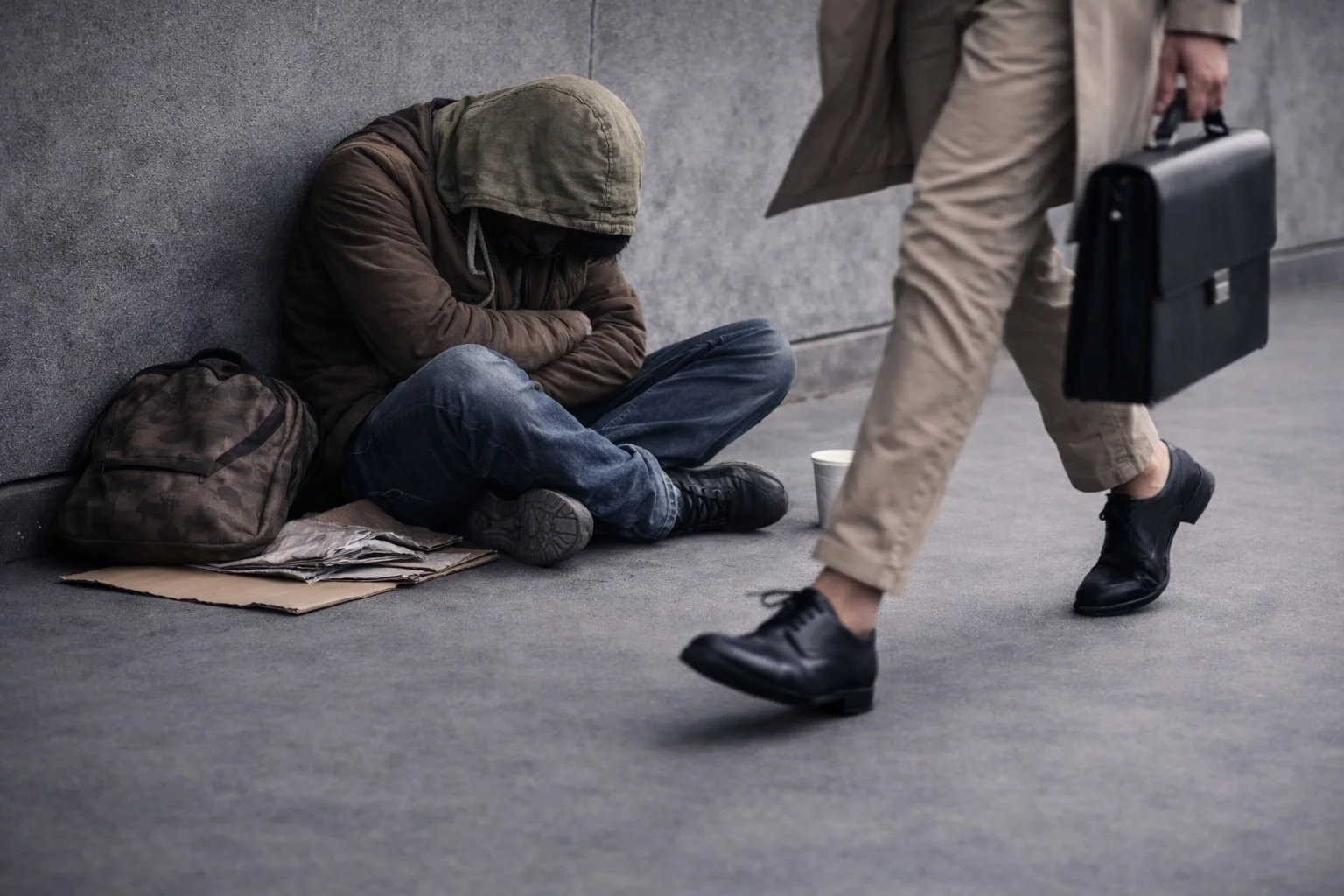
Solid Ground Street Medicine was born out of years spent caring for people in crisis—and the growing realization that the traditional system was never designed to meet many of them where they are.
For nearly twenty years, our lead nurse practitioner worked in the emergency department as a registered nurse, treating countless unhoused patients. Time and again, she would stabilize the immediate problem and discharge the patient—knowing there would likely be no meaningful follow-up.
The same patients returned days or weeks later with the same conditions, the same wounds, and the same barriers preventing consistent care.
It often felt like placing a bandage on an arterial bleed. The work mattered—but the system functioned like a hamster wheel, treating symptoms without ever addressing the deeper problems.
What We Saw
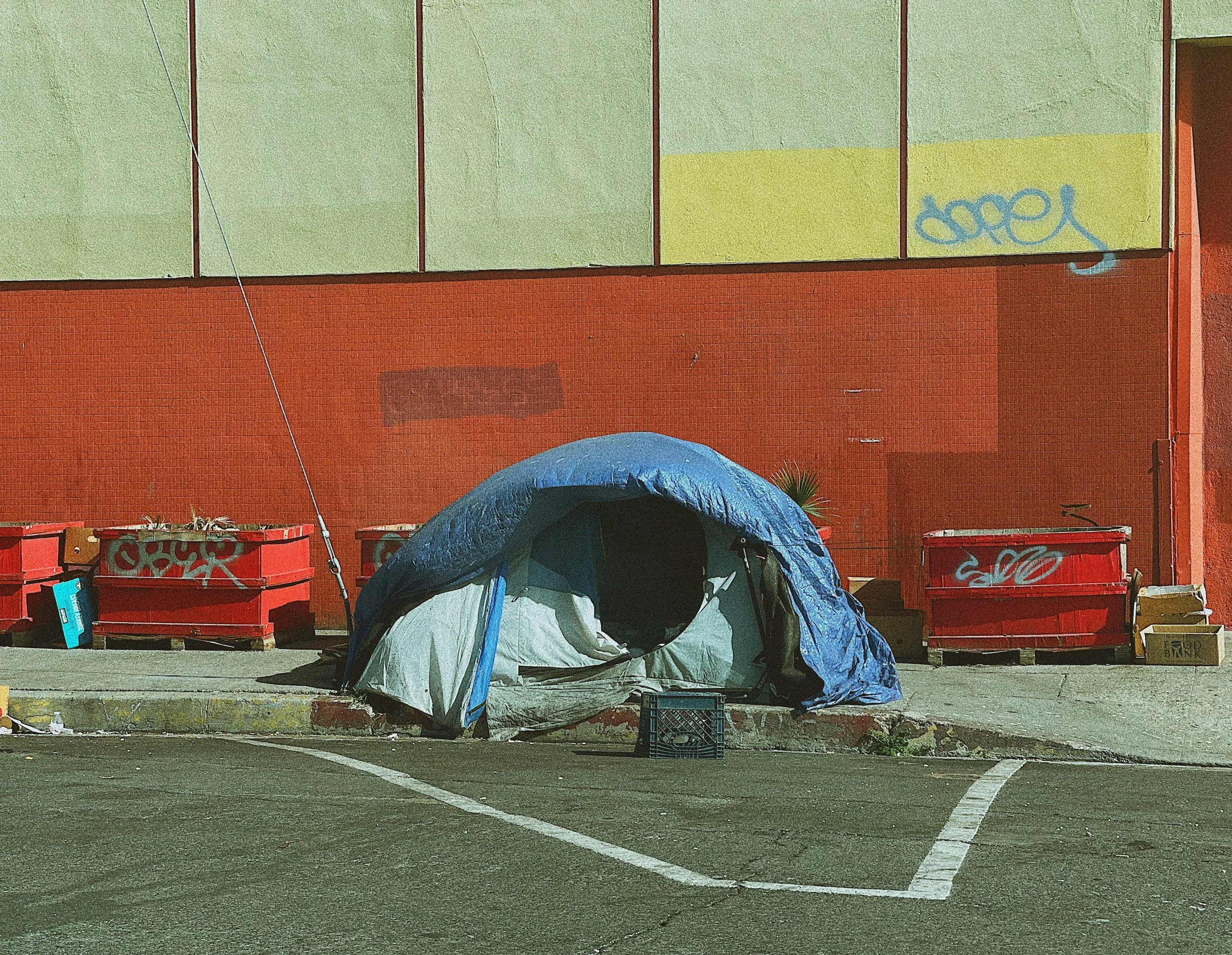
Our founder works as a paramedic and firefighter, responding to emergencies in communities heavily impacted by homelessness. On these calls, the limitations of the traditional response became painfully clear.
Patients in crisis would be transported to the hospital, treated, and discharged—only to return to the same conditions that caused the emergency in the first place. Overdose patients revived with Narcan would sometimes refuse transport and return to using again that same night. Too often, help came only after it was already too late.
These individuals were not refusing care because they didn’t want help. They refused because they didn’t believe the care being offered would truly change anything.
Too many were found alone—sick, injured, and left to die in places where society had stopped looking.
A Shared Perspective
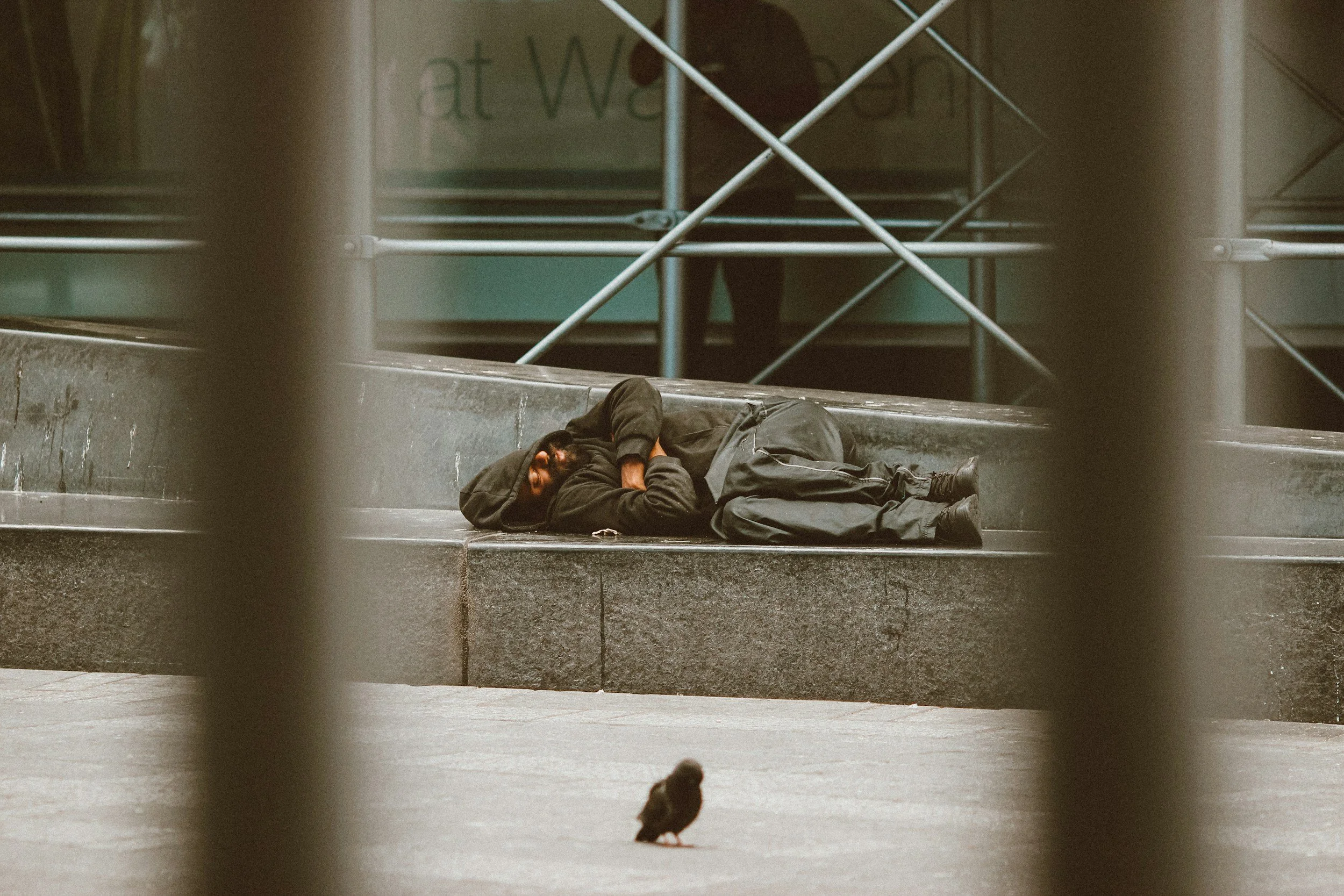
Our medical director, a retired Navy physician with over twenty years of service, has spent his career caring for patients in both traditional and austere environments. Since retiring, he has worked within a county detention facility, where he continues to care for individuals caught in a cycle of mental illness, addiction, and instability. As he puts it:
“There is a lot of brokenness. I care for many homeless patients trapped in a vicious cycle—mental illness, addiction, no support, no resources, no safe place.”
Together, we have seen enough to know that something has to change.
The Problem
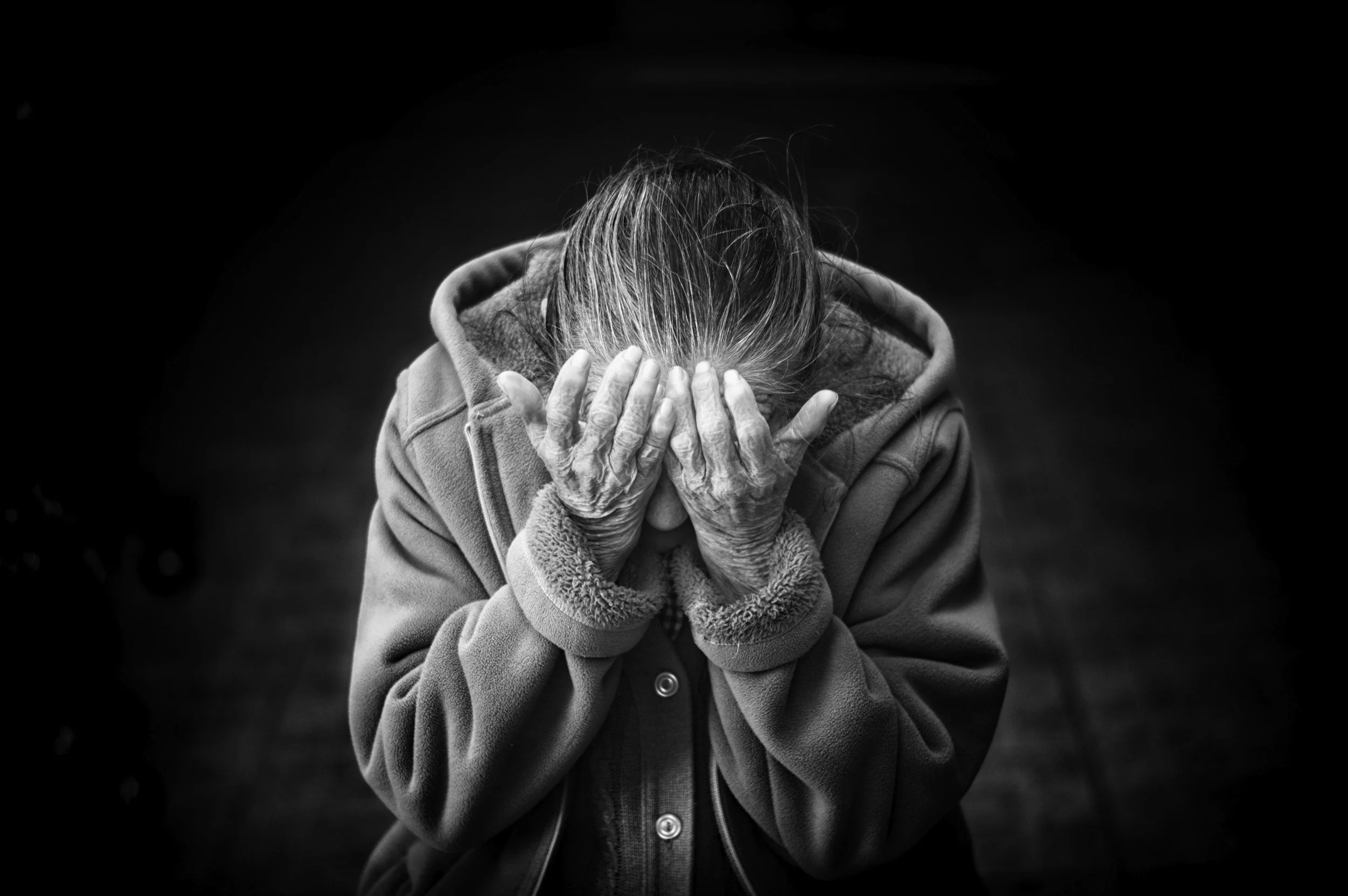
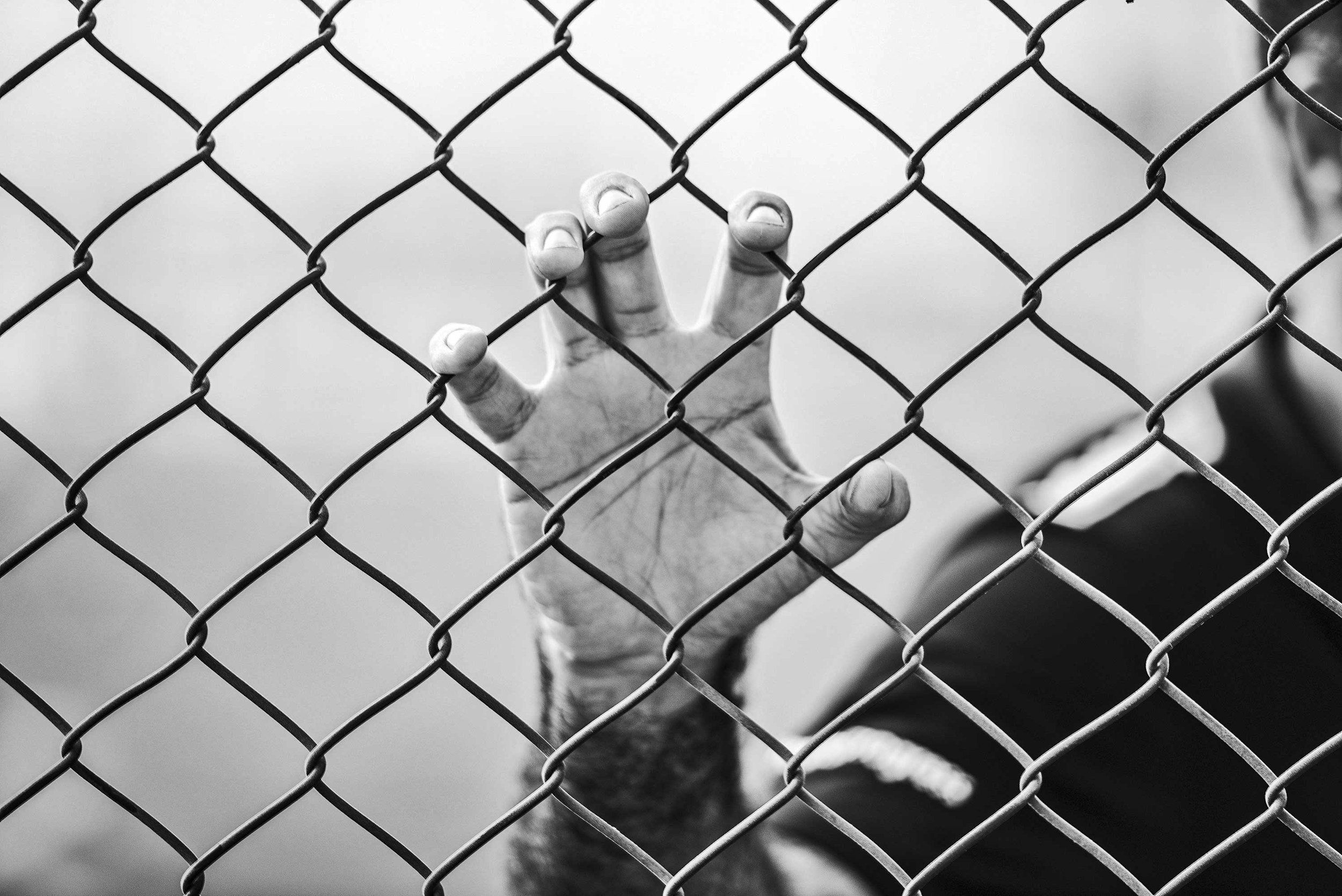
These experiences made one thing clear: the issue is not a lack of compassion among providers. The issue is a system built around clinics, hospitals, and offices—places that require stability, transportation, and the ability to navigate complex systems.
Many of the people who need care the most simply cannot access it.
A Different Approach
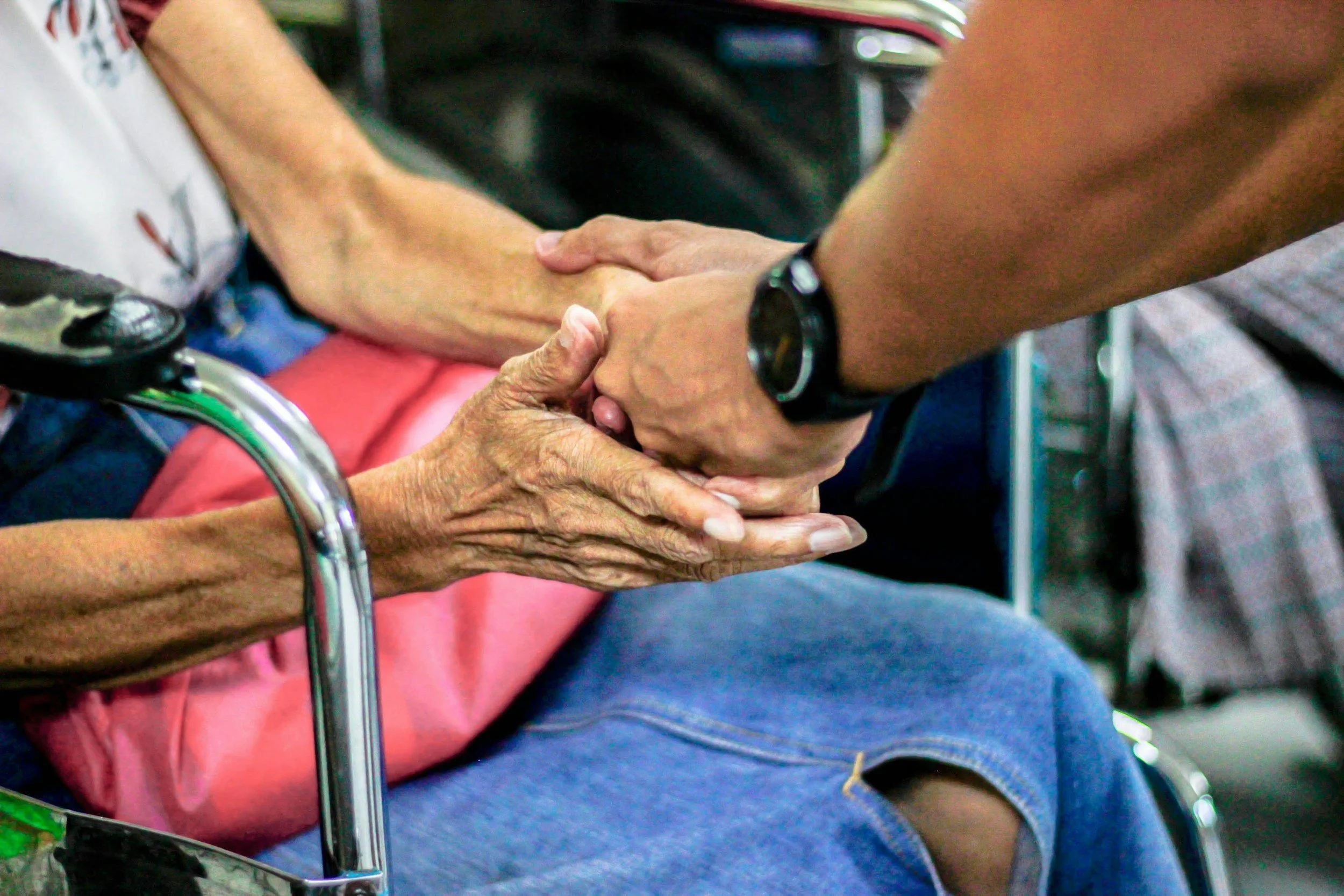
Street medicine offers a different model—one built on a simple idea: sometimes healthcare needs to go to the patient, not the other way around.
Instead of waiting for people to navigate a system that often fails them, we meet them where they are—on sidewalks, in encampments, under bridges, and in the overlooked corners of our communities.
By bringing medical care directly to the street, we remove barriers and begin building the trust necessary to help people move toward stability and recovery.
Why It Matters
This work is messy. It is time-consuming. It requires patience, persistence, and a willingness to step into difficult spaces.
But these are people. They are sons and daughters, mothers and fathers.
They deserve dignity. They deserve care. They deserve the chance to stand on solid ground again.
What We Believe
Solid Ground Street Medicine exists because we believe service requires more than good intentions—it requires action.
So we roll up our sleeves and get to work.